
About Election Commission of India
The guardian of India's electoral democracy since 1950
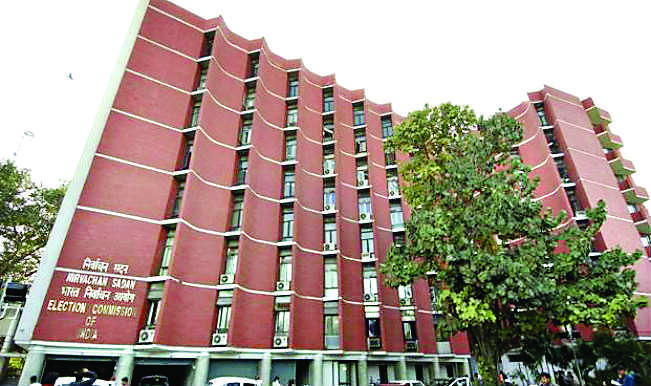
History & Evolution
The Election Commission of India (ECI) is a permanent constitutional body established on 25th January 1950, a day before India became a republic. The Commission's original mandate was to administer elections to the Lok Sabha, Rajya Sabha, State Legislative Assemblies, and the offices of the President and Vice-President.
For the first 40 years, the Commission functioned as a single-member body with only the Chief Election Commissioner (CEC). On 16th October 1989, the government appointed two more Election Commissioners, making it a multi-member body. Though this was reverted in 1990, the Election Commission has been a three-member body since 1st October 1993, with the passing of the Election Commission (Conditions of Service of Election Commissioners and Transaction of Business) Amendment Act, 1993.
Over the decades, the Election Commission has earned global recognition for its ability to conduct free and fair elections in the world's largest democracy, overcoming numerous logistical, geographical, and social challenges.
Mission & Values
Mission
To conduct free, fair, and credible elections to strengthen the democratic fabric of India, ensuring that every eligible citizen can exercise their right to vote without fear or favor.
Core Values
- Independence: Functioning autonomously without external influence
- Integrity: Maintaining highest ethical standards
- Transparency: Ensuring openness in all electoral processes
- Inclusivity: Making elections accessible to all citizens
- Efficiency: Optimizing resources for smooth electoral operations
- Innovation: Embracing technology to enhance electoral processes
Organizational Structure
Election Commissioners
The Commission consists of a Chief Election Commissioner and two Election Commissioners. They are appointed by the President of India and have a tenure of six years or up to the age of 65 years, whichever is earlier.
Secretariat
The Commission is supported by a Secretariat in New Delhi, headed by a Secretary who is usually an officer of the rank of Secretary to the Government of India.
State Level
At the state level, the Commission is represented by the Chief Electoral Officer (CEO), who is appointed by the ECI in consultation with the State Government.
District Level
At the district level, the District Election Officer (DEO), usually the District Magistrate or Collector, is responsible for the conduct of elections.
Key Achievements
First General Elections
Successfully conducted India's first general elections with over 173 million eligible voters.
Voter ID Cards
Introduced Voter ID Cards to prevent electoral fraud and ensure accurate voter identification.
Electronic Voting Machines
Pioneered the use of Electronic Voting Machines (EVMs) to make voting more efficient and reduce electoral malpractices.
VVPAT Introduction
Introduced Voter Verifiable Paper Audit Trail (VVPAT) to enhance transparency and voter confidence in the electoral process.
Largest Democratic Exercise
Conducted the world's largest democratic exercise with over 900 million eligible voters and 1 million polling stations.
Digital Initiatives
Voter Helpline App
Mobile application for voter registration, EPIC download, and complaint filing.
cVIGIL App
Allows citizens to report Model Code of Conduct violations during elections.
NVSP Portal
National Voters' Service Portal for online voter registration and services.
Suvidha Portal
Single window system for candidates and political parties to file nominations and permissions.
Current Leadership
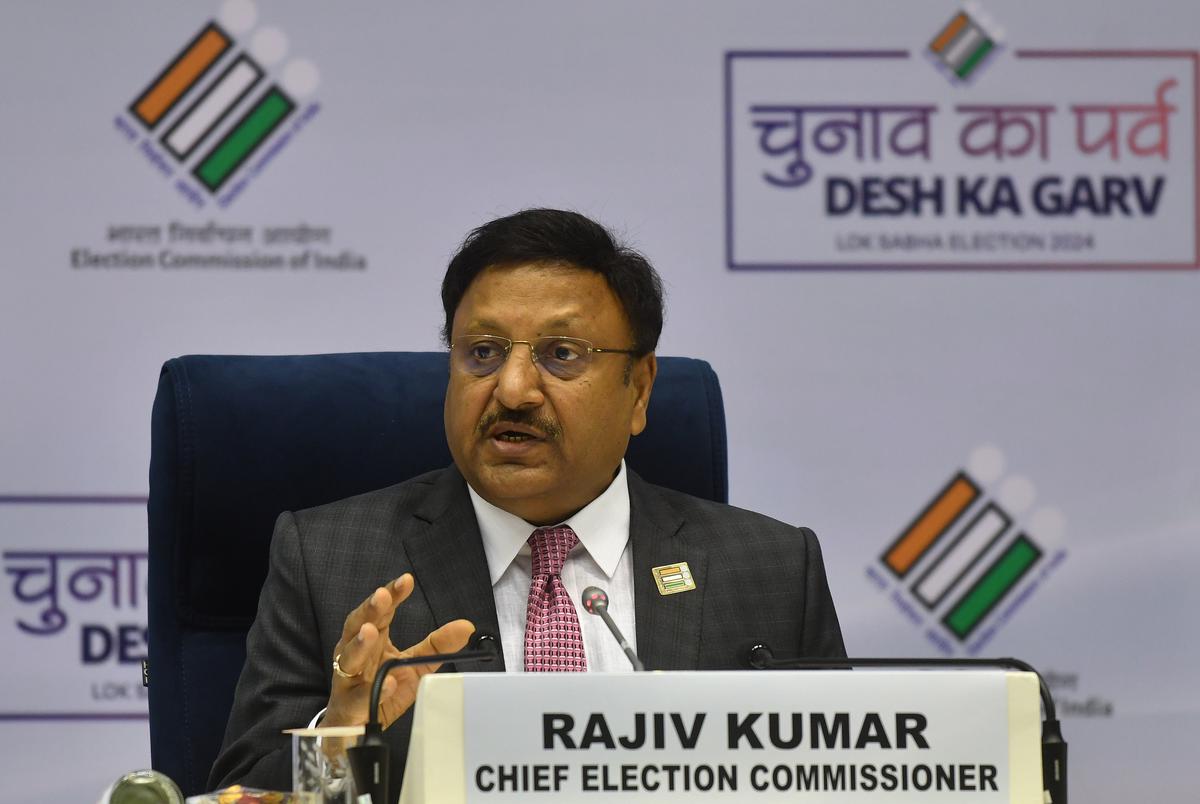
Rajiv Kumar
Chief Election Commissioner
Assumed office on 15 May 2022. Former Finance Secretary to the Government of India.
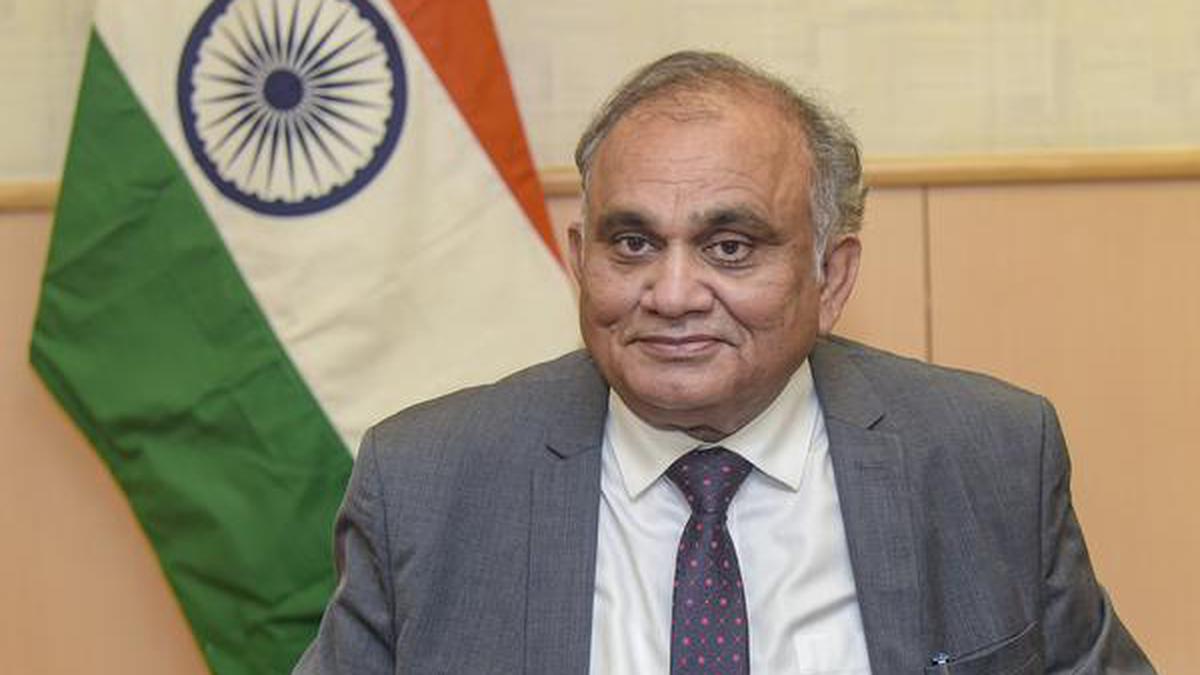
Anup Chandra Pandey
Election Commissioner
Appointed on 9 June 2021. Former Chief Secretary of Uttar Pradesh.
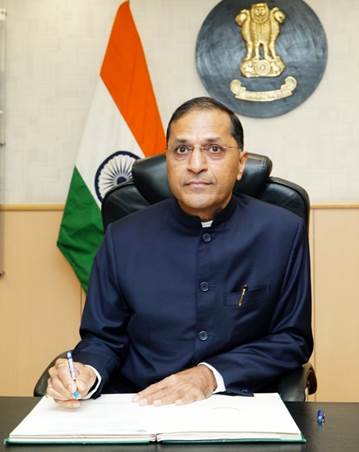
Arun Goel
Election Commissioner
Appointed on 21 November 2022. Former Secretary to the Government of India.